Tips for Hiring Drilling Solutions
Directional Boring Techniques: A Comprehensive Guide for Contractors
Directional drilling approaches signify a crucial advancement in underground construction. These techniques allow for efficient utility installations with reduced surface disruption. Contractors must navigate multiple challenges, including equipment selection and soil conditions. Recognizing the importance of safety and real-time monitoring can significantly impact project outcomes. Understanding these factors is essential for successful implementations. However, the complexities of the process and emerging technologies raise further questions that demand exploration.
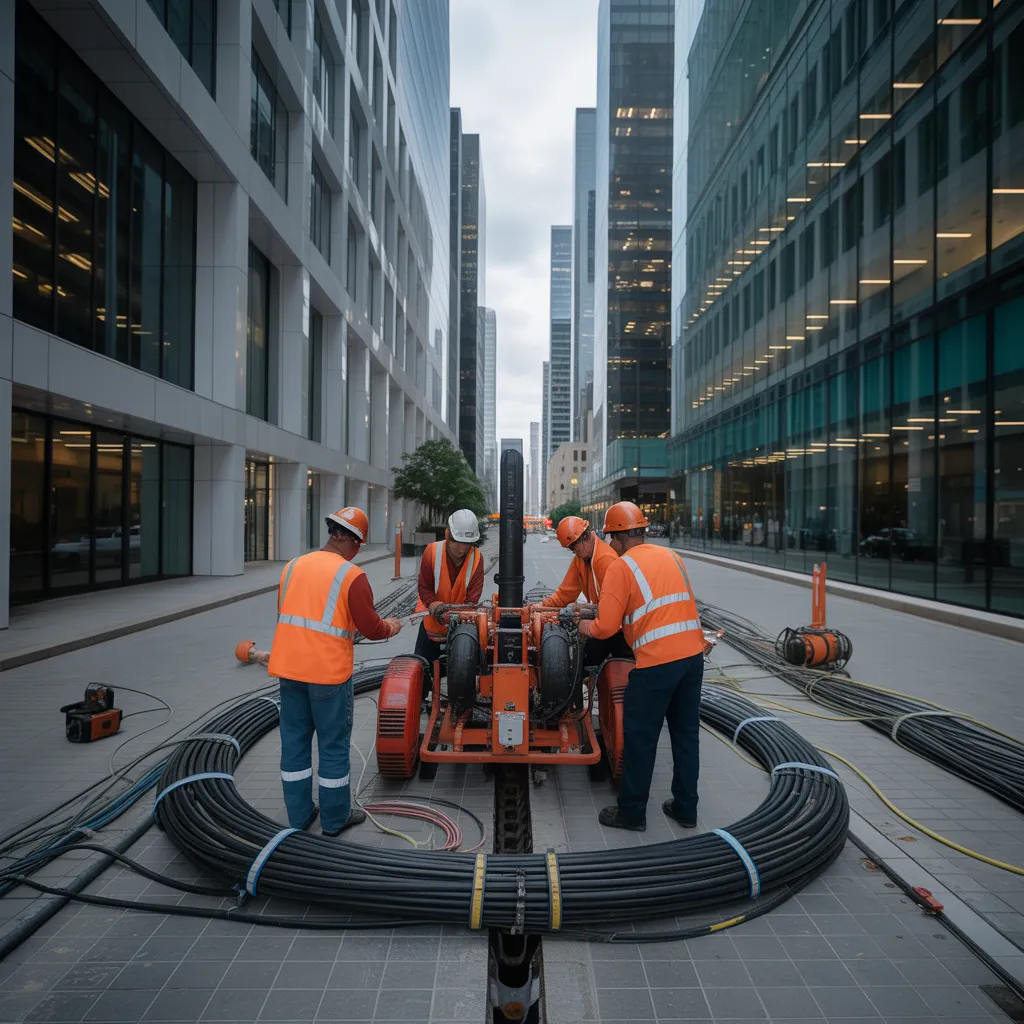
Understanding Directional Boring: The Essentials
Directional drilling, a pivotal method in contemporary construction and utility installation, permits contractors to develop underground pathways with reduced surface disruption. This method involves drilling a hole underground using specialized equipment, which is guided along a pre-planned path. As opposed to traditional trenching methods, directional boring lessens the impact on the surrounding environment, making it ideal for urban areas and sensitive landscapes.
The operation begins with a pilot hole, which is created using a rotating drill bit. Once the pilot hole is established, a reamer is connected to enlarge the bore to the appropriate diameter for the utility installation. This process is especially useful for installing pipes, cables, and conduits underneath roads, rivers, and other obstructions. Comprehending the principles of directional boring provides contractors with the knowledge to effectively organize and execute projects while observing safety regulations and environmental considerations.
Critical Equipment for Directional Boring
Effective directional boring requires a range of specialized equipment designed to provide precision and efficiency during the drilling process. Essential to this operation is the directional drilling machine, which enables operators to drill at different angles and depths while maintaining accuracy. Additionally, drill bits customized for specific soil conditions are crucial, as they affect the cutting efficiency and overall performance.
A further essential element is the tracking system, which delivers real-time data on the drill's location and trajectory, confirming that the bore path remains on target. Mud pumps and drilling fluid systems are similarly crucial, as they provide cooling and lubrication while removing cuttings from the borehole. Lastly, ancillary tools such as reamers and swivels improve the capabilities of the primary equipment, permitting contractors to deal with diverse underground conditions. As a whole, this equipment forms the foundation of successful and efficient directional boring operations.
Fundamental Techniques for Effective Directional Boring
Profitable directional boring copyrights on proper equipment selection and a comprehensive assessment of soil conditions. Contractors need to select the right tools tailored to specific project requirements to guarantee efficiency and safety. Furthermore, understanding the soil type and its characteristics can greatly influence the boring process and overall project outcomes.
Strategies for Choosing Equipment
Picking the right equipment for directional boring is essential for contractors seeking to improve productivity and performance on the job site. A comprehensive evaluation of the project's scope and specific requirements directs the selection process. Key factors include the size and type of get going the drilling machine, which should correspond to the diameter and depth of the borehole. Furthermore, contractors must evaluate the necessary drill bits and accessories, guaranteeing compatibility with the chosen equipment. It is also important to take into account the power source and mobility of the machinery, as these factors impact operational efficiency. Lastly, investing in advanced technology, such as locating systems, can increase precision and reduce costly mistakes, eventually leading to successful project completion.
Soil State Evaluation
Soil condition assessment is a critical step in the directional boring process, as it directly affects the choice of techniques and equipment used. Contractors must analyze the soil's composition, moisture content, and density to determine the practicality of the project. Techniques such as visual inspection, soil sampling, and geotechnical testing are employed to gather essential information. Understanding soil types—whether clay, sand, silt, or gravel—helps predict how the ground will react during boring. Additionally, identifying potential obstacles like rocks or groundwater can prevent costly delays. Accurate assessments result in informed decisions, ensuring that the right boring methods and machinery are employed, ultimately enhancing efficiency and reducing the risk of project failure. Proper soil evaluation is, accordingly, paramount for successful directional boring operations.
Safety Considerations in Directional Boring
Even though directional boring offers effective solutions for underground installations, it also presents specific safety challenges that contractors must address. Most importantly, operators should conduct comprehensive site assessments to detect potential hazards, like underground utilities and unstable soil conditions. Proper training and following safety protocols are essential to reduce risks connected to equipment operation and personnel safety.
PPE is vital on-site, which includes hard hats, gloves, and eye protection. Additionally, keeping clear communication among team members guarantees that everyone is aware of their surroundings and potential dangers. Contractors should also implement a detailed emergency response plan, ready to address any incidents that may arise.
Consistent equipment maintenance and inspections boost operational safety, decreasing the likelihood of mechanical failures during boring operations. By prioritizing these safety measures, contractors can ensure the safety of their workforce and secure successful project completion.
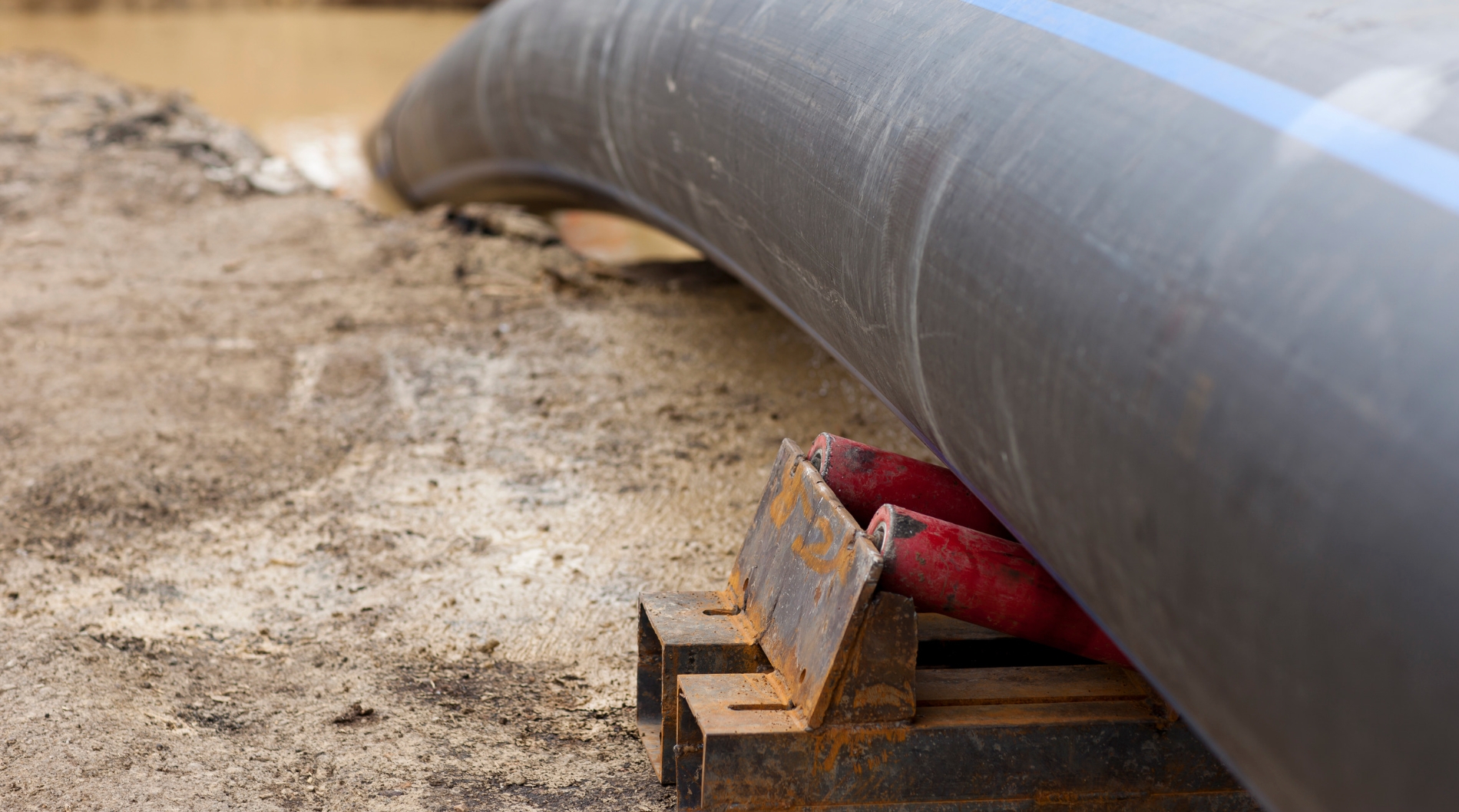
Frequent Applications of Directional Boring
Directional boring is commonly used across different industries for its capability to install utilities and infrastructure underground with little surface disruption. One frequent application is in the installation of water and sewer lines, where conventional trenching methods can be both expensive and disruptive. Directional boring permits precise placement of these lines, reducing the impact on surrounding landscapes.
Telecom companies regularly use directional boring to install fiber optic cables, ensuring fast and efficient internet service without major excavation. Moreover, electric utility providers use this technique for the installation of conduits for power lines, increasing reliability and safety.
Directional drilling is equally valuable for ecological projects, like setting up monitoring wells or remediation infrastructure, because it limits soil disturbance and maintains natural environments. Overall, the versatility and efficiency of directional boring make it an essential method for various utility installations and construction projects.
Addressing Typical Issues in Directional Boring
Directional boring can present various challenges that contractors must address to guarantee successful project completion. Standard difficulties consist of malfunctioning equipment, problematic soil conditions, and pipeline alignment concerns. Recognizing these issues and their resolutions is vital for sustaining productivity and limiting downtime.
Equipment Malfunctions and Solutions
Equipment malfunctions can disrupt the performance of any directional boring project, bringing about delays and higher costs. Frequent issues include hydraulic failures, drill bit wear, and misalignment. Hydraulic failures typically arise from leaks or pressure drops, which can be fixed by examining connections and replacing damaged components. Drill bit wear necessitates regular inspections; replacing worn bits promptly secures optimal performance. Misalignment can arise from incorrect setup or navigation errors, and can be remedied by recalibrating the equipment and guaranteeing proper operator training. Establishing a routine maintenance schedule is critical for preventing malfunctions. Additionally, keeping spare parts on hand can decrease downtime, allowing contractors to respond rapidly to unanticipated equipment issues and maintain project timelines efficiently.
Earth Challenges and Tactics
Soil conditions play a critical role in the success of any directional boring project, offering a variety of challenges that contractors must navigate. Different soil types, such as clay, sand, or rocky formations, can alter drilling efficiency and tool wear. Furthermore, high water tables may lead to unstable conditions, making more difficult the bore path. To tackle these challenges, contractors can conduct thorough site surveys and soil analyses before initiating work. Using appropriate drilling fluids can also help regulate borehole stability and decrease friction. Establishing real-time monitoring systems facilitates immediate adjustments to drilling parameters, improving overall performance. By predicting potential soil-related issues, contractors can establish effective strategies that deliver a smoother directional boring process and mitigate costly delays.
Pipeline Alignment Solutions
Incorrect alignment of pipelines during directional boring can lead to significant complications and delays in project timelines. To address this issue, contractors can employ several corrective measures. First, accurate pre-bore surveys are critical to pinpoint potential alignment problems before drilling commences. If misalignment occurs, using a reaming operation can help correct the bore path to align with the intended pipeline route. Moreover, employing advanced tracking systems during the boring process facilitates real-time adjustments. In cases of severe misalignment, contractors may need to excavate sections of the bore for manual realignment. In conclusion, thorough post-installation inspections verify the pipeline meets required specifications, reducing the risk of future misalignment problems. These strategies boost the overall efficiency and success of directional boring projects.
Upcoming Developments in Directional Boring Technology
With the growing demand for efficient underground construction methods, the future of directional boring technology is poised for significant advancements. Innovations are projected to emphasize automation and real-time data analytics, boosting precision and efficiency during installations. The introduction of advanced materials will likely improve the durability and performance of drilling equipment, lowering maintenance costs and downtime.
Additionally, the integration of AI and machine learning technologies will allow for better decision-making during complex projects, enhancing drilling paths and minimizing environmental impact. Additionally, the development of compact and smaller machinery will enable access to densely populated areas, broadening the applicability of directional boring.
Sustainability is set to play an critical role, with heightened emphasis on environment-conscious practices and strategies that minimize noise and energy consumption. In general, these trends indicate a positive shift towards more efficient, effective, and environmentally responsible directional boring approaches in the coming years.
Questions & Answers
Which Permits Are Required for Directional Boring Projects?
Directional boring initiatives usually necessitate several permits, encompassing excavation permits, environmental permits, and utility location permits. Regional requirements can differ, requiring consultation with local authorities to ensure adherence to all required legal obligations before commencing.
How Can I Select the Right Contractor for Directional Boring?
To pick the right contractor for directional boring, one should evaluate their experience, check references, confirm licensing and insurance, evaluate equipment quality, and compare project bids to secure a reliable and cost-effective partnership.
What Are the Environmental Effects of Directional Boring?
Directional boring may result in soil disturbance, possible groundwater contamination, and harm to local ecosystems. However, when conducted responsibly, it reduces surface disruption and can be a greener alternative to standard excavation methods.
How Does Weather Influence Directional Boring Operations?
Weather factors substantially affect directional boring operations, as substantial precipitation can create soil instability, while extreme temperatures may influence equipment performance. High winds and electrical storms also introduce safety hazards, potentially halting or delaying the work.
What's the Typical Price for Directional Boring Services?
The typical price for directional boring services generally falls from $5 to $15 per foot, contingent upon factors such as job intricacy, soil conditions, and local market rates, influencing overall pricing for contractors and clients alike.